Health and Safety Policy — Waterloo Man with Van
 Waterloo Man with Van is committed to ensuring the health, safety and welfare of all employees, contractors and members of the public affected by our operations. This policy applies to all activities undertaken by our man with a van rubbish removal and waste collection services, including rubbish clearance, household and commercial waste collection, and ad-hoc removals. We aim to prevent accidents, reduce risks and maintain safe working practices across our fleet and at customer sites.
We recognise that effective safety management requires clear responsibilities. Management will ensure adequate resources, training and supervision are provided; employees must follow safe systems of work and report hazards; and contractors must comply with our standards. Our rubbish removal van crews receive induction training, ongoing refresher courses and specific instruction for handling bulky waste, electrical items and hazardous materials.
![A young woman and a young man are standing indoors against a plain white wall, engaged in a house move. The woman, positioned on the left, has light brown hair tied back and is wearing a white tank top and light denim overalls with a measuring tape draped around her neck. She is smiling at the camera with her left hand resting on a stack of three large cardboard boxes, which are placed one on top of the other, with the top box slightly tilted. The man, standing on the right, has short light brown hair and is wearing a white t-shirt and light blue jeans. He is also smiling at the camera and appears to be in the process of lifting or carrying the bottom box with his right hand, while his left hand is holding onto the middle box. The background suggests an interior residential environment, relevant to house removals, with smooth, neutral-colored walls. The scene subtly evokes a house clearance or relocation effort, consistent with professional removals services provided by Waterloo Man with Van for local moves within the [POSTCODE] area near [TOWN]. The natural lighting highlights the textures of the cardboard boxes and casual clothing, emphasizing the practical, systematic approach involved in moving household items efficiently and securely.](/pub/_photos/removals/f1395969944.jpg) Risk assessment is integral to daily operations. Before every job, crews complete a site-specific assessment that identifies manual handling risks, traffic and pedestrian hazards, unstable loads and potential contamination. Controls include the use of mechanical aids, two-person lifting for heavier items, secure load restraint, and the provision of personal protective equipment (PPE) such as gloves, hi-vis clothing and safety boots. The man and van team follows clear procedures to segregate recyclable materials from general refuse to minimise environmental and health risks.
Risk assessment is integral to daily operations. Before every job, crews complete a site-specific assessment that identifies manual handling risks, traffic and pedestrian hazards, unstable loads and potential contamination. Controls include the use of mechanical aids, two-person lifting for heavier items, secure load restraint, and the provision of personal protective equipment (PPE) such as gloves, hi-vis clothing and safety boots. The man and van team follows clear procedures to segregate recyclable materials from general refuse to minimise environmental and health risks.
Safe Systems for Waste and Rubbish Services
Our standard operating procedures for waste removal emphasise safe access, parking, vehicle stability and correct lifting techniques. For waste clearance and rubbish collection in tight or roadside locations, we implement traffic management measures to protect crew and public safety. Vehicles are inspected daily for mechanical defects, secure tail lifts and correct loading to prevent spillage. Vehicle safety checks and driver competency assessments form part of our preventative maintenance regime.
 We have strict controls for hazardous and electronic waste. Items that may present a chemical, biological or electrical hazard are identified during booking and on-site assessment. Staff are trained in safe containment, labeling and transfer procedures to authorised disposal facilities. Our approach ensures compliance with safe handling standards while maintaining an efficient rubbish removal service.
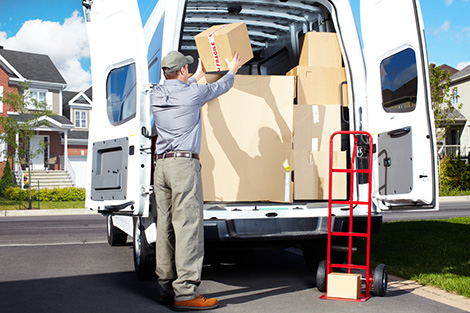
Manual handling precautions are emphasised across all tasks. Crews are instructed in proper posture, use of mechanically assisted lifts, and when to refuse lifts that exceed safe limits. We maintain lifting aids and trolleys on all removal vans to reduce strain. In addition, the man with van operatives follow specific methods for moving bulky furniture to prevent both personal injury and damage to customer property.
Training, Incident Reporting and Monitoring
Training is ongoing and recorded. All operatives complete induction on health and safety basics, safe loading procedures, and customer site etiquette for rubbish clearance and waste collection. Supervisors carry out regular competency checks and toolbox talks to reinforce best practice. Records of training, vehicle checks and risk assessments are maintained to ensure continuous improvement.
 Incident reporting is mandatory for all near-misses, injuries and environmental spills. We use a no-blame reporting culture to encourage prompt notification and thorough investigation. Corrective actions are logged and monitored to prevent recurrence. Where necessary, medical assistance is provided immediately and incidents escalated according to severity.
 Our monitoring procedures include regular audits, performance reviews and routine site inspections. We measure safety performance with key indicators such as accident frequency, completed risk assessments and vehicle inspection completion rates. Lessons learned from incidents and audits are translated into revised procedures, additional training or equipment upgrades to enhance the safety of our rubbish collection and removal services.
We maintain clear emergency procedures for fire, chemical spills, injury and vehicle incidents. Crews are trained in first aid basics and emergency communications. In the event of an incident during a man and van job, the priority is the safety of people, followed by containment of waste and minimisation of environmental impact. Emergency response plans are reviewed regularly to ensure rapid and effective action.
Our commitment extends to welfare and wellbeing. We promote a workplace culture that values rest breaks, safe workloads and reporting of hazards related to fatigue or stress. Health checks and access to occupational health advice are available as needed to support employee welfare while delivering rubbish removal and clearance services.
Subcontractors and temporary workers engaged to support our rubbish service must adhere to the same standards. Contracts require evidence of competency, adequate insurance, and acceptance of our health and safety expectations. Regular checks ensure that external teams operate under the same safe systems as Waterloo Man with Van staff.
Key responsibilities are allocated as follows:
- Senior Management: Set policy, allocate resources and ensure compliance.
- Supervisors: Implement procedures, conduct risk assessments and training.
- Operatives: Follow safe working practices, use PPE and report hazards.
We review this policy annually or after significant incidents, changes in operations, new legislation, or the introduction of new equipment. Continuous improvement is achieved through audits, feedback from crews and analysis of performance data. Our approach ensures the Waterloo rubbish removal van service operates safely, efficiently and responsibly.
Signed on behalf of the company — This policy is communicated to all employees, contractors and relevant stakeholders to ensure safety is central to every rubbish collection, clearance and man with a van operation.